Luxury Furniture Brands: What Defines a Premium Furniture Brand?
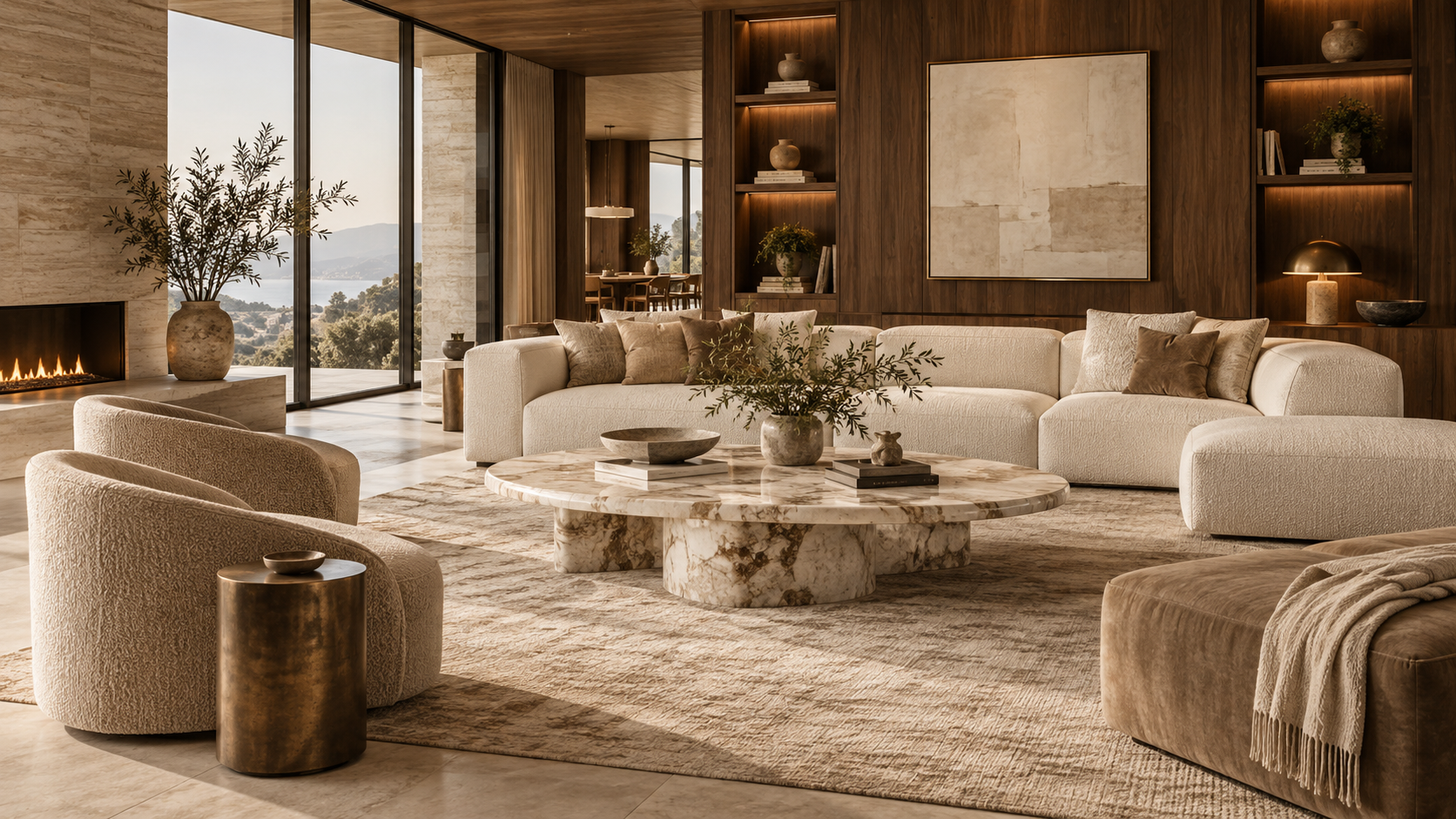
The word “luxury” gets attached to furniture at almost every price point, which makes it a poor signal on its own. What actually separates a genuine luxury furniture brand from a mass-market one comes down to a handful of verifiable factors — heritage, craftsmanship, material authenticity, and manufacturing provenance — not marketing language.
Here’s how to evaluate a brand properly, using recognised names from across the global luxury furniture industry as examples.
Key Takeaways
- A genuine luxury furniture brand is defined by verifiable design heritage, hand-finished craftsmanship, and authentic material sourcing — not price alone.
- Many of the world’s most recognised luxury furniture houses — Poltrona Frau, Cassina, B&B Italia, Minotti, and others — share a century or more of documented design heritage.
- Hidden details — joints, interiors, structural components — receive the same care as visible surfaces in genuinely premium manufacturing.
- Timeless design that outlasts passing trends is a hallmark of established design houses, distinguishing heirloom-quality pieces from disposable furniture.
- Manufacturing provenance (where and how a piece is actually made) is one of the most reliable, checkable indicators of authenticity.
- Premium kitchen architecture, bespoke European furnishings, and professional-grade appliances each have their own specific markers of what “premium” means within that category.
What Actually Defines a Premium Furniture Brand?
Strip away marketing language, and premium furniture brands tend to share a consistent set of characteristics:
1. Verifiable Design Heritage
Established luxury furniture houses typically have a traceable history — a founding story, a design lineage, and named designers behind specific collections. This matters because it gives buyers something concrete to verify, rather than a brand name attached to generic claims.
2. Hand-Finished Craftsmanship
Premium pieces are rarely mass-produced. Skilled artisans shape, stitch, carve, and finish each piece largely by hand — a process that takes considerably longer than industrial assembly but produces results that simply can’t be replicated at scale.
3. Authentic Materials
Genuine luxury brands choose materials for authenticity and longevity, not just appearance — solid woods over engineered composites, full-grain leather over corrected-grain alternatives, natural stone over printed laminates. These choices affect how a piece ages: quality materials tend to develop character over decades, while lower-grade substitutes degrade.
4. Attention to Hidden Details
One of the more reliable ways to judge genuine quality is to check what you’re not meant to see — the underside of a table, the interior of a cabinet, the joinery holding a frame together. Brands that invest the same care into these hidden areas as they do visible surfaces are generally investing in genuine structural quality, not just presentation.
5. Timeless Design Over Trend-Chasing
Premium design is built to remain relevant well beyond a single design cycle, which is part of why genuinely well-made furniture can become a long-term or even multi-generational asset, rather than something replaced every few years as trends shift.
6. Manufacturing Provenance
Where and how a piece is actually manufactured is one of the most checkable indicators of authenticity. Brands with nothing to hide are typically transparent about country of manufacture, production facilities, and the design house actually responsible for a given collection.
Recognised Luxury Furniture Brands Around the World
These principles aren’t abstract — they’re visible in how the world’s most established furniture houses have built their reputations over decades, often more than a century:
| Brand | Origin | Founded | Known For |
|---|---|---|---|
| Poltrona Frau | Italy | 1912 | Leather expertise and handcrafted armchairs, sofas, and beds |
| Giorgetti | Italy | 1898 | Fine woodworking and sculptural forms; one of the oldest houses in the category |
| Cassina | Italy | 1927 | Preserving 20th-century design classics, including collaborations with Le Corbusier and Gio Ponti |
| Ligne Roset | France | 1860 | Family-run; bold, informal contemporary design |
| Minotti | Italy | 1948 | Clean-lined contemporary design with coordinated seating and tables |
| Flexform | Italy | 1959 | Minimalist, comfort-focused sofas and living room pieces |
| Roche Bobois | France | 1960 | Modular design and designer collaborations |
| B&B Italia | Italy | 1966 | Industrial production and R&D paired with designer-led collections |
| Herman Miller | USA | 1905 | Modernist icons such as the Eames Lounge Chair and ergonomic seating design |
| Fendi Casa | Italy | Late 1980s | Fashion-house furniture arm known for couture-style detailing and luxury materials |
What these brands share, despite very different design languages, is exactly the pattern described above: documented heritage, hand-finished construction, and materials chosen for authenticity rather than appearance alone.
What “Premium” Looks Like Across Different Categories
These principles apply differently depending on what category of home furnishing you’re evaluating — premium kitchen architecture, bespoke European furniture, and professional-grade appliances each have their own specific markers worth understanding.
Premium Kitchen Architecture
In high-end kitchen design, premium is reflected in cabinetry construction, hardware quality, and how a system integrates storage, workflow, and material finish into a cohesive architectural statement rather than a collection of individual units.
Brands like Poggenpohl and Ernestomeda represent this end of the market — German and Italian engineering applied to kitchen design as architecture, not just functional cabinetry.

Bespoke European Furnishings
For furniture and storage systems, genuine bespoke capability means real material and configuration flexibility, not a limited set of pre-built options.
This is where design houses like Porro (modular wardrobe and storage systems since 1925), Meridiani (100% made in Italy, founded 1996), and Turri (sartorial craftsmanship since 1925) distinguish themselves — each with a verifiable heritage and hand-finished construction behind the collections they offer, following the same pattern seen across the broader industry.
Professional-Grade Home Appliances
In appliances, “premium” is less about aesthetics and more about engineering performance — precision temperature control, build durability, and performance consistency that matches commercial-grade equipment rather than consumer-grade alternatives. This is the standard brands like Gaggenau and Sub-Zero & Wolf are built around, bringing professional kitchen performance into a residential setting.
A Quick Evaluation Checklist
| Criteria | What to Check |
|---|---|
| Heritage | Traceable founding history, named designers, documented lineage |
| Craftsmanship | Hand-finished details, construction technique, time invested per piece |
| Materials | Solid vs composite, full-grain vs corrected leather, natural vs synthetic stone |
| Hidden details | Quality of unseen surfaces — undersides, interiors, joinery |
| Manufacturing provenance | Country and facility of manufacture, transparency on sourcing |
| Design longevity | Whether the design is built to outlast a single trend cycle |
Frequently Asked Questions
Does a higher price always mean a brand is genuinely luxury?
No — price alone doesn’t confirm craftsmanship or material authenticity. Verifying heritage, construction, and manufacturing provenance is a more reliable indicator than price point.
How can I tell if a kitchen or furniture brand is genuinely premium versus well-marketed?
Look for a verifiable history, named designers or design houses behind specific collections, and transparency about where and how pieces are actually manufactured — brands with nothing to hide are typically forthcoming on these details.
Is “designer furniture in Malaysia” the same as imported luxury furniture?
Not necessarily — genuine designer furniture can be sourced through authorised local showrooms representing established international design houses, which is different from furniture simply inspired by or resembling a known design language.
Conclusion: Evaluate the Substance, Not the Label
A genuine luxury furniture brand earns the description through verifiable heritage, hand-finished craftsmanship, authentic materials, and transparent manufacturing — not through price or marketing language alone.
Whether you’re looking at century-old European houses or evaluating kitchen architecture, bespoke furnishings, and professional-grade appliances closer to home, the same underlying principles apply: check what’s provable, not just what’s promised.
Visit our showroom to see these standards represented across our full brand portfolio — Poggenpohl, Ernestomeda, Porro, Meridiani, Turri, and our professional-grade appliance partners.
