Common Mistakes to Avoid When Designing a Luxury Kitchen (and How to Get It Right)
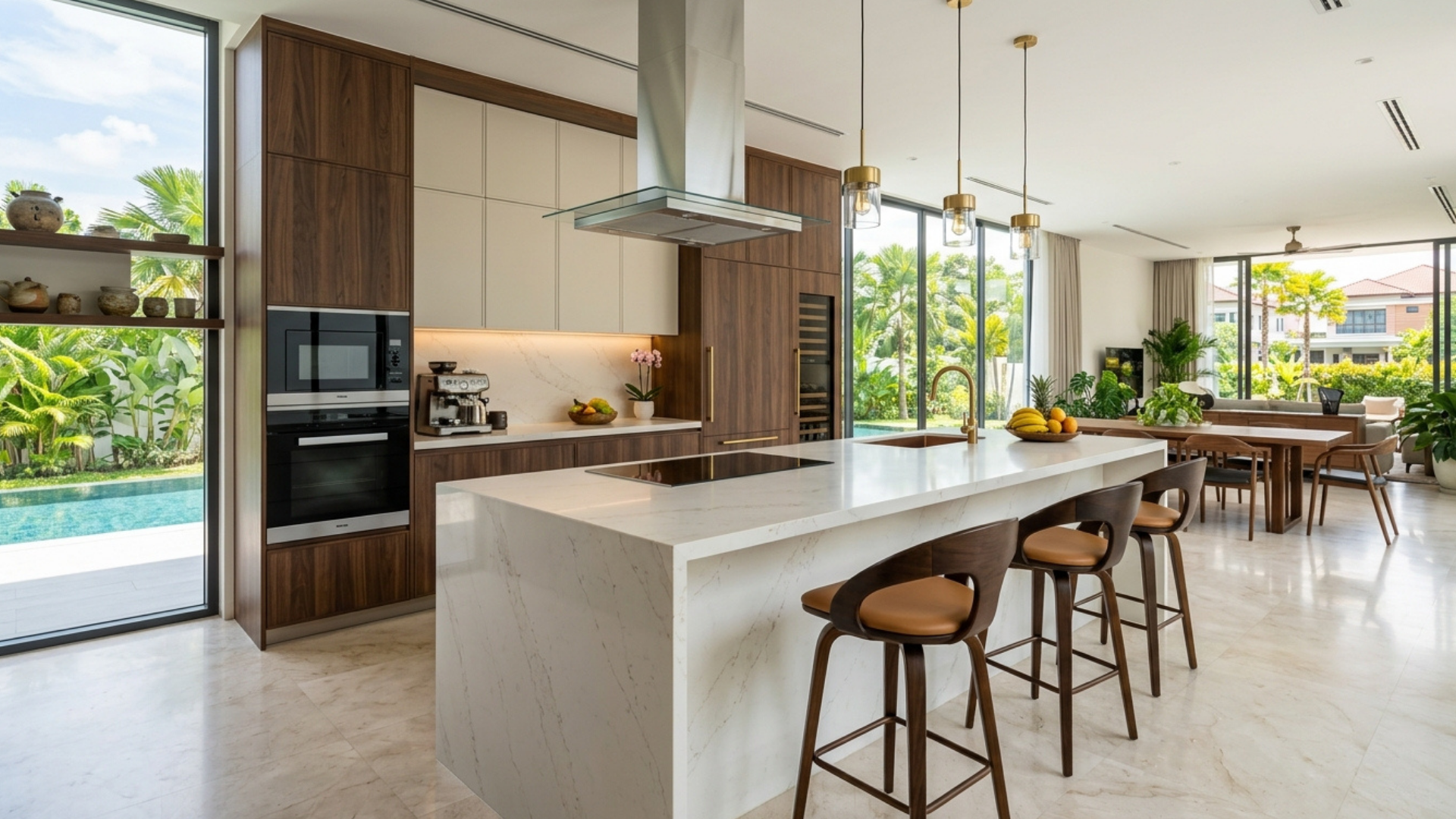
Key Takeaways
- A luxury kitchen is not just about aesthetics—functionality and layout are equally critical to ensure long-term usability and value.
- Common mistakes such as poor planning, inadequate lighting, and weak material choices can reduce both performance and property value.
- A well-designed bespoke kitchen balances design, practicality, and lifestyle needs, especially for modern Malaysian homes.
What makes a luxury kitchen truly successful—and why do some high-end kitchens fail despite premium materials and large budgets?
Designing a luxury kitchen is a significant investment, particularly in Malaysia where homeowners and developers are increasingly focused on quality living spaces. However, even high-budget kitchens can fall short if key design principles are overlooked.
A luxury kitchen is not defined solely by expensive finishes or branded appliances—it must deliver functionality, efficiency, and long-term durability.
Understanding the most common mistakes—and how to avoid them—can help ensure your kitchen achieves both visual appeal and practical performance.
Why Luxury Kitchen Design Requires Careful Planning
Unlike standard kitchens, luxury kitchens involve:
- Higher investment
- Customised layouts
- Premium materials
- Bespoke cabinetry
Mistakes in design can lead to:
- Reduced usability
- Higher maintenance costs
- Lower property value
👉 Proper planning is essential to ensure a kitchen performs as well as it looks.
Common Mistakes in Luxury Kitchen Design
Below are the most common mistakes identified by designers and experts, along with practical solutions.
1. Prioritising Style Over Function
One of the biggest mistakes is focusing too much on visual appeal while neglecting functionality.
- Choosing trendy finishes without considering durability
- Designing layouts based on aesthetics rather than workflow
- Overlooking practical daily usage
👉 A kitchen may look luxurious but feel inefficient to use.
How to Get It Right
- Design based on daily habits and usage
- Balance aesthetics with practicality
- Focus on workflow efficiency
2. Poor Kitchen Layout and Workflow
A poorly planned layout can disrupt the entire kitchen experience.
Common issues include:
- Inefficient placement of sink, stove, and refrigerator
- Limited circulation space
- Overcrowded layouts
👉 Ignoring workflow makes even premium kitchens difficult to use.
How to Get It Right
| Element | Best Practice |
| Work Triangle | Keep sink, stove, and fridge within efficient distance |
| Circulation Space | Allow enough room for movement |
| Zones | Separate cooking, prep, and cleaning areas |
3. Inadequate Storage Planning
Luxury kitchens often fail due to insufficient or poorly designed storage.
Common mistakes:
- Not enough cabinets or drawers
- Lack of pantry space
- Over-reliance on open shelving
👉 This leads to clutter and reduces the clean, premium look.
How to Get It Right
- Incorporate smart storage solutions
- Use vertical space efficiently
- Design hidden storage systems
4. Poor Lighting Design
Lighting is often underestimated but plays a critical role in luxury kitchens.
Typical issues:
- Over-reliance on decorative lighting
- Lack of task lighting
- Poorly lit work areas
👉 Even high-end kitchens can feel dull without proper lighting.
How to Get It Right
Use layered lighting:
- Ambient lighting for overall brightness
- Task lighting for work areas
- Accent lighting for aesthetics
5. Ignoring Ventilation
Ventilation is one of the most overlooked elements in kitchen design.
Common problems:
- Weak or insufficient ventilation systems
- Use of inappropriate extractor solutions
- Poor airflow planning
👉 This can lead to heat, smoke, and odour issues.
How to Get It Right
- Install a proper range hood
- Ensure adequate airflow
- Plan ventilation early in the design stage
6. Choosing Low-Quality Materials
Using cheaper materials to reduce costs can backfire in luxury kitchens.
Issues include:
- Faster wear and tear
- Higher maintenance
- Reduced aesthetic quality
👉 Material quality directly affects durability and long-term value.
How to Get It Right
- Invest in durable, high-quality finishes
- Choose materials suitable for Malaysian climate
- Prioritise longevity over short-term savings
7. Poor Appliance Planning
Luxury kitchens often include high-end appliances—but poor planning can reduce their effectiveness.
Common mistakes:
- Mismatched appliances
- Incorrect placement
- Lack of integration
👉 Appliances should enhance both function and design.
How to Get It Right
- Plan appliance placement early
- Integrate appliances into cabinetry
- Choose appliances based on usage needs
8. Lack of Personalisation
A luxury kitchen should reflect the homeowner’s lifestyle.
Mistakes include:
- Copying designs without considering personal needs
- Ignoring cooking habits
- Over-standardising layouts
👉 A kitchen that doesn’t fit your lifestyle loses its value.
How to Get It Right
- Customise design based on lifestyle
- Create functional zones
- Consider daily routines
9. Overcomplicating the Design
Adding too many features or elements can make the kitchen feel cluttered.
Common issues:
- Too many materials or finishes
- Excessive decorative elements
- Overloaded design
👉 Simplicity is key to achieving a luxury look.
How to Get It Right
- Keep the design clean and cohesive
- Limit materials and colour palette
- Focus on quality over quantity
10. Ignoring Future Maintenance
A luxury kitchen must remain functional and attractive over time.
Mistakes include:
- Choosing hard-to-maintain materials
- Ignoring durability
- Overlooking long-term usability
How to Get It Right
- Select easy-to-maintain surfaces
- Plan for long-term wear and tear
- Consider future upgrades
Key Differences Between Good and Poor Luxury Kitchen Design
| Aspect | Poor Design | Good Design |
| Layout | Inefficient and cramped | Functional and well-zoned |
| Storage | Limited and cluttered | Smart and organised |
| Materials | Low-quality | Durable and premium |
| Lighting | Inadequate | Layered and functional |
| Appliances | Poorly integrated | Seamlessly integrated |
The Role of Bespoke Kitchens in Avoiding Mistakes
Bespoke kitchens are custom-designed to meet specific needs, making them ideal for luxury homes.
Advantages of Bespoke Kitchens
- Tailored layouts for better functionality
- Custom storage solutions
- High-quality materials and finishes
- Personalised design
👉 Bespoke kitchens help avoid common mistakes by aligning design with lifestyle.
Luxury Kitchen Design in Malaysia: Key Considerations
Designing a luxury kitchen in Malaysia requires attention to local conditions.
Important Factors:
- Humidity and heat
- Space constraints in urban homes
- Cooking habits and lifestyle
Practical Tips:
- Use moisture-resistant materials
- Ensure proper ventilation
- Design flexible layouts
How to Get It Right: Best Practices
To achieve a successful luxury kitchen design:
Follow These Principles:
- Start with a clear design plan
- Focus on functionality first
- Invest in quality materials
- Work with experienced designers
Conclusion: Designing a Luxury Kitchen That Works
A luxury kitchen is more than a visually impressive space—it is a functional, efficient, and personalised environment that enhances daily living.
By avoiding common mistakes such as poor layout, inadequate storage, and weak material choices, you can create a kitchen that delivers both performance and long-term value.
For Malaysian homeowners and developers, investing in thoughtful design ensures that your kitchen stands out—not just in appearance, but in usability and durability.
Looking to Design a Luxury Kitchen That Gets It Right?
If you are planning a luxury kitchen or exploring bespoke kitchen solutions, working with experienced designers is essential.
Consult a trusted kitchen specialist to create a tailored design that balances aesthetics, functionality, and long-term value—ensuring your kitchen becomes a true centrepiece of your home.
